Enhancing Pedestrian Safety: The Role of Thermal Cameras and AI Integration in Cars

AI Integration in Safety
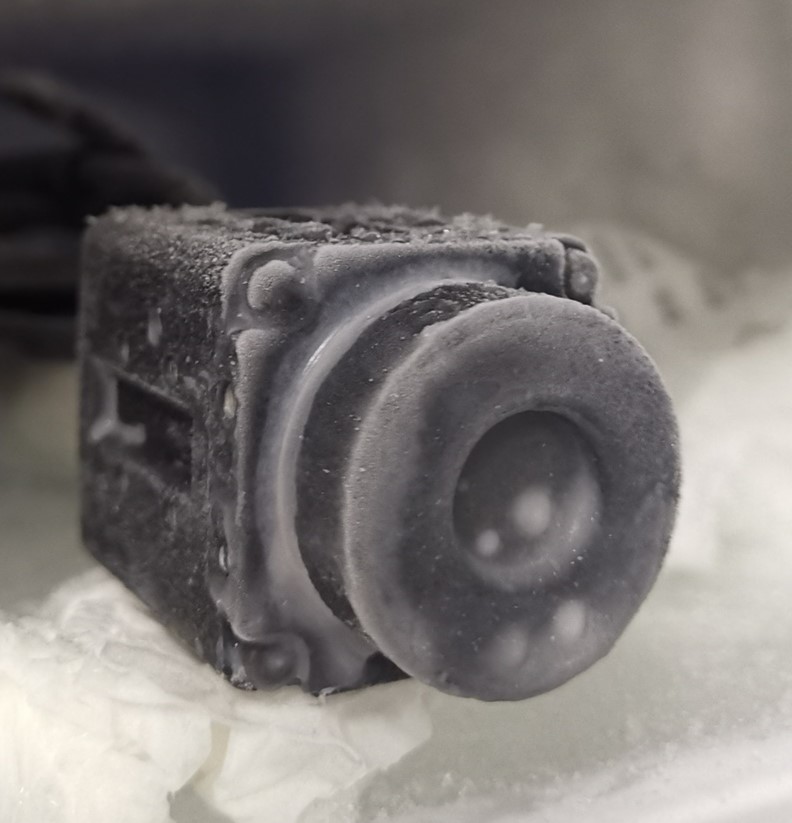
The automotive industry has witnessed a significant transformation with the integration of thermal cameras and AI in cars. This advancement is playing a pivotal role in revolutionizing pedestrian safety. The synergy between thermal imaging technology and AI has paved the way for enhanced safety measures, particularly in detecting and responding to pedestrians on the road. As these technologies continue to evolve, they are reshaping the standards of automotive safety, emphasizing the crucial role of thermal cameras and AI integration in ensuring pedestrian well-being.
Revolutionizing Automotive Standards
Enhanced Detection Capability
The integration of thermal cameras in cars significantly enhances the capability to detect pedestrians, especially in low-light conditions or situations where visibility is limited. This is a crucial advancement as it directly contributes to reducing the risk of pedestrian-related accidents on the road.
By incorporating AI technology, the real-time analysis and response to pedestrian detection are further improved. The AI integration enables the system to process data rapidly and accurately, enhancing the overall effectiveness of detecting pedestrians in various driving scenarios.
Improved Safety Measures
AI integration in cars enhances safety measures for pedestrians.
The seamless integration of AI technology in automotive design has led to a remarkable improvement in safety measures for pedestrians. The combination of thermal cameras and AI not only detects pedestrians but also facilitates proactive collision avoidance systems, thereby significantly reducing the likelihood of accidents involving pedestrians.
Car Safety Advantages
Enhanced Visibility
Thermal cameras play a pivotal role in providing enhanced visibility, particularly in challenging low-light conditions. This technology allows drivers to have a clearer view of their surroundings, including the presence of pedestrians, thereby contributing to overall vehicle safety.
The integration of AI further enhances the visibility and safety features in cars. By leveraging AI capabilities, the system can analyze thermal imaging data in real-time, providing drivers with crucial information about pedestrian movement and potential hazards even in adverse lighting conditions.
Real-time Analysis
In addition to enhancing visibility, AI integration enables real-time analysis of pedestrian detection. This means that the system can swiftly process data from thermal cameras and provide immediate feedback to the driver regarding potential pedestrian-related risks on the road.
The combination of thermal cameras and AI contributes to real-time safety analysis in cars, ensuring that proactive measures can be taken to avoid pedestrian-related accidents.
By seamlessly integrating thermal imaging technology and AI into automotive safety systems, car safety standards are being elevated to new heights, prioritizing pedestrian well-being alongside other essential aspects of vehicle safety.
Pedestrian Safety Impact
Reduced Accidents
The integration of thermal cameras and AI in cars plays a pivotal role in reducing pedestrian accidents. The advanced detection capability provided by thermal imaging technology, combined with the real-time analysis and response facilitated by AI, significantly contributes to mitigating the risk of pedestrian-related incidents on the road.
Technological advancements in automotive design have led to a substantial decrease in pedestrian accidents, underscoring the positive impact of integrating thermal cameras and AI into car safety systems. This progress marks a significant step forward in prioritizing pedestrian safety within the broader context of automotive innovation.
Future Safety Standards
The integration of thermal cameras and AI sets the stage for future safety standards within the automotive industry. As these technologies continue to evolve, pedestrian safety remains at the forefront of technological advancements in automotive design. This proactive approach not only addresses current safety concerns but also establishes a foundation for continuous improvement and innovation in ensuring pedestrian protection on the roadways.
Enhancing Pedestrian Safety
In conclusion, the seamless integration of thermal cameras and AI in cars significantly enhances pedestrian safety. These technological advancements are reshaping automotive safety standards, particularly in prioritizing pedestrian protection on the roadways. The combination of thermal imaging technology and AI not only improves visibility and detection capability but also facilitates real-time analysis and response to potential pedestrian-related risks. As these innovations continue to evolve, they underscore a proactive approach to ensuring pedestrian well-being within the broader context of automotive design.
Pedestrian safety is at the forefront of technological advancements in automotive design, setting the stage for future safety standards that prioritize the protection of vulnerable road users.
See Also
Improved Safety and Visibility with Car Thermal Imaging Cameras
Enhanced Safety and Visibility with Car Thermal Imaging Camera
Technological Advancements in the Future of Car Thermal Imaging Cameras
Top Car Thermal Imaging Cameras for Automotive Professionals and Mechanics in 2024

iSun Digitech Limited
Contact Us: Coco Huang
E-mail: sales@iasun.cn
WhatsApp/Wechat: +86 13510421923