The Durability and Practicality of Handheld Thermal Cameras for Various Applications

Exploring the Basics of Thermal Imaging and Cameras
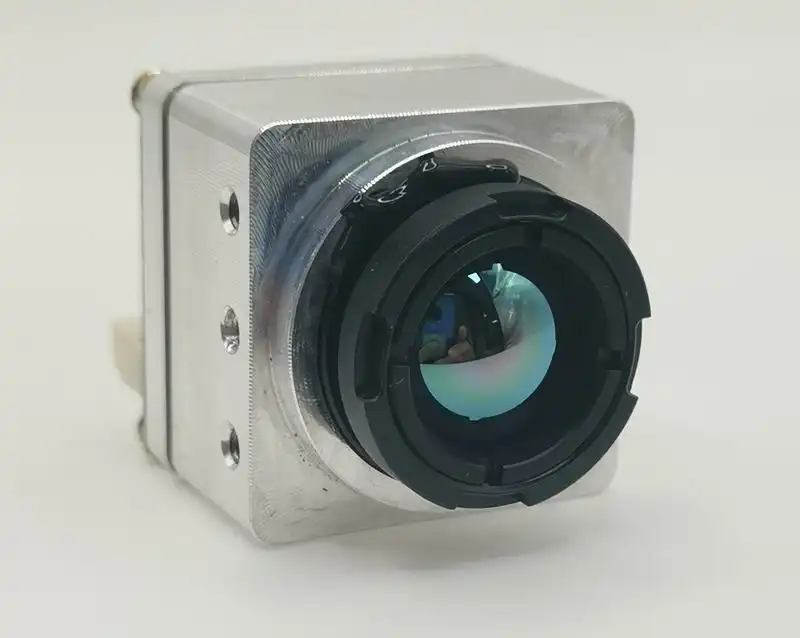
Thermal imaging is a technology that captures the heat emitted by objects and creates a visual representation of their temperature variations. Thermal imaging works by detecting the infrared radiation emitted by objects, which is then converted into an electronic signal to produce a thermogram, or thermal image. This process allows for the visualization of temperature differences, making it valuable in various applications.
The science behind thermal imaging involves the use of specialized sensors that can detect long-wave infrared radiation. These sensors are capable of producing accurate temperature readings across a wide range, enabling the creation of detailed thermal images. The role of cameras in thermal imaging is to capture these thermograms and present them as visible images for analysis and interpretation.
Key components of a thermal camera include the sensor, which plays a crucial role in accurately capturing and measuring infrared radiation. The type of sensor used determines the camera's sensitivity and its ability to produce high-quality thermal images. Additionally, the lens and display are essential components that directly impact image quality. The lens affects factors such as field of view and focus, while the display presents the thermal image in a clear and interpretable manner.
The Durability Features of Handheld Thermal Cameras
When it comes to handheld thermal cameras, durability is a crucial factor that directly impacts their reliability in various environments. These devices are designed to withstand demanding conditions and provide consistent performance, making them valuable tools in numerous applications.
Materials and Build Quality
The construction of handheld thermal cameras plays a significant role in their ability to endure rugged usage. High-quality materials such as reinforced polymers and aluminum alloys are commonly used to ensure impact resistance and protection against environmental elements. The incorporation of robust housing enhances the overall durability, safeguarding the internal components from potential damage.
Impact Resistance and Waterproofing
Handheld thermal cameras are engineered to withstand accidental drops and impacts, ensuring their functionality even in challenging situations. The integration of shock-absorbing materials and protective casing minimizes the risk of damage from falls or collisions. Furthermore, many models feature waterproofing capabilities, allowing them to be used in wet or humid conditions without compromising their performance.
Longevity and Maintenance Needs
The longevity of handheld thermal cameras is a result of meticulous engineering and quality assurance during the manufacturing process. These devices undergo rigorous testing to ensure long-term functionality, reducing the need for frequent maintenance or replacements. Additionally, manufacturers often provide guidelines for proper care and handling, prolonging the lifespan of the equipment.
Battery Life and Power Management
In addition to robust construction, battery life is a critical aspect of the durability of handheld thermal cameras. The efficient management of power ensures uninterrupted operation during extended use in the field, making them reliable tools for various applications.
Battery Types and Their Lifespan
Handheld thermal cameras utilize rechargeable lithium-ion batteries known for their high energy density and long lifespan. These batteries offer reliable performance over an extended period, minimizing downtime due to frequent recharging or replacement. The use of advanced battery technology contributes to the overall durability of these devices.
Tips for Extending Battery Life During Field Use
To maximize battery life during field operations, users can implement several strategies such as adjusting display brightness, utilizing power-saving modes when idle, and carrying spare fully charged batteries for continuous usage. Proper storage and charging practices also play a vital role in maintaining optimal battery performance over time.
Practical Applications of Handheld Thermal Cameras
Handheld thermal cameras find practical applications in a wide range of scenarios, proving to be invaluable tools in emergency and rescue operations as well as industrial and construction settings.
In Emergency and Rescue Operations
In the midst of emergencies, thermal imaging cameras play a crucial role in locating individuals who may be trapped in smoke or debris. By detecting variations in temperature, these cameras can identify human body heat signatures even when visibility is severely limited. This capability significantly enhances search and rescue efforts, increasing the chances of finding and aiding individuals in distress. Furthermore, handheld thermal cameras are instrumental in assessing fire hotspots and hazards. Firefighters and rescue teams utilize these devices to identify areas of intense heat, allowing them to prioritize their response and allocate resources effectively.
Industrial and Construction Use
The utility of handheld thermal cameras extends to industrial and construction environments, where they serve multiple purposes. One key application is equipment maintenance and fault detection. By capturing thermal images of machinery and electrical systems, these cameras enable technicians to identify overheating components or faulty connections that may not be apparent through visual inspection alone. This proactive approach helps prevent potential malfunctions or breakdowns, ultimately contributing to enhanced operational efficiency.
Another significant use case for handheld thermal cameras in industrial and construction settings is ensuring building thermal efficiency. These devices are employed to conduct energy audits and identify areas of heat loss or inadequate insulation within structures. By pinpointing thermal irregularities, such as air leaks or insufficient insulation, building professionals can implement targeted improvements to enhance energy efficiency and reduce heating costs.
Why Rugged Cell Phones with Built-In Thermal Cameras Are the Best Choice
Combining Durability with Thermal Imaging
The integration of thermal imaging capabilities into rugged cell phones offers a compelling solution that combines durability with advanced thermal imaging technology. Rugged devices, designed to withstand harsh conditions and demanding usage, provide an ideal platform for incorporating thermal cameras, creating versatile tools for various applications.
The Advantages of Having a Rugged Device
Rugged cell phones equipped with built-in thermal cameras offer several distinct advantages. Firstly, their robust construction ensures resilience against environmental factors such as dust, moisture, and extreme temperatures. This durability extends the operational lifespan of the device and its integrated thermal imaging functionality, making it a reliable tool in challenging environments.
Moreover, the rugged design of these devices enhances their impact resistance and shock absorption capabilities. This feature is particularly valuable in scenarios where accidental drops or impacts are likely to occur, safeguarding both the device and its thermal imaging components from potential damage.
Additionally, the ergonomic and user-friendly nature of rugged cell phones makes them well-suited for field use. Their intuitive interfaces and physical controls facilitate seamless operation even in adverse conditions, allowing users to leverage thermal imaging capabilities effectively during critical tasks.
Real-World Scenarios Where This Combination Shines
The combination of ruggedness and thermal imaging proves invaluable in real-world scenarios across diverse industries. For instance, in search and rescue operations, rugged cell phones with built-in thermal cameras enable responders to navigate challenging terrains while utilizing thermal imaging to locate individuals in distress. The durability of these devices ensures consistent performance amidst unpredictable conditions, contributing to successful rescue efforts.
Similarly, in industrial settings such as manufacturing plants or construction sites, the integration of thermal cameras into rugged cell phones empowers workers to conduct equipment inspections and identify potential hazards without compromising on durability or reliability. This capability streamlines maintenance processes and enhances workplace safety by leveraging the benefits of both ruggedness and advanced thermal imaging technology.
Selecting the Best Rugged Cell Phone with a Thermal Camera
When considering a rugged cell phone with integrated thermal camera capabilities, certain key features warrant careful consideration to ensure optimal performance and suitability for specific requirements.
Key Features to Look For
Ruggedness: Prioritize devices that adhere to industry-standard durability ratings such as IP68 for water and dust resistance along with MIL-STD-810G for overall toughness.
Thermal Sensor Quality: Evaluate the specifications of the integrated thermal sensor including resolution, temperature range coverage, and accuracy to gauge its effectiveness in diverse applications.
Battery Life: Assess the battery capacity and power management features to ensure prolonged usage during field operations without compromising on performance.
User Interface: Consider devices with intuitive interfaces that facilitate seamless access to thermal imaging functions while maintaining ease of use in challenging environments.
Top Picks and Recommendations
Several leading manufacturers offer rugged cell phones equipped with high-quality built-in thermal cameras suitable for various professional needs. Among these options are models from reputable brands such as BoldPhone, renowned for their durable construction coupled with advanced thermal imaging capabilities tailored for industrial use. Additionally, devices from ToughTech present a compelling choice for professionals seeking reliable solutions that integrate robustness with cutting-edge thermal imaging technology.
Final Thoughts on Handheld Thermal Cameras
The Future of Thermal Imaging Technology
Innovations on the Horizon
As technology continues to advance, the field of thermal imaging is poised for significant innovations. Ongoing research and development efforts are focused on enhancing the resolution and sensitivity of thermal sensors, enabling more precise temperature measurements and detailed thermal imaging. Additionally, advancements in image processing algorithms aim to improve the clarity and interpretability of thermal images, further expanding the utility of handheld thermal cameras across various industries.
Expanding Applications and Accessibility
The future holds promising prospects for the widespread adoption of handheld thermal cameras in diverse applications. As these devices become more compact, affordable, and user-friendly, their accessibility is expected to increase significantly. This trend will likely lead to broader integration of thermal imaging technology in fields such as healthcare, agriculture, and consumer electronics. Furthermore, the development of specialized software applications tailored for specific use cases will enhance the versatility of handheld thermal cameras, making them indispensable tools in a wide range of professional and personal scenarios.
Making the Right Choice for Your Needs
Assessing Your Requirements
When considering the acquisition of a handheld thermal camera, it is essential to assess your specific requirements based on intended applications. Evaluate factors such as temperature measurement range, image resolution, portability, and compatibility with existing equipment or devices. By understanding your unique needs, you can make an informed decision regarding the most suitable handheld thermal camera that aligns with your professional or personal objectives.
Considering the Total Cost of Ownership
In addition to initial purchase costs, it is crucial to consider the total cost of ownership associated with handheld thermal cameras. This encompasses expenses related to maintenance, calibration, software updates, and any additional accessories or peripherals required for optimal functionality. By factoring in long-term operational costs alongside upfront investments, individuals and organizations can make prudent decisions that ensure sustained value and performance from their chosen handheld thermal camera solution.
By staying abreast of technological advancements and carefully evaluating individual requirements and cost considerations, users can harness the full potential of handheld thermal cameras while making informed choices that align with their specific needs.
See Also
Benefits of Thermal Imaging Drones for Industrial Use
The Evolution of Automotive Thermal Imaging Technology
Discovering the Benefits of Drone Thermal Imaging

iSun Digitech Limited
Contact Us: Coco Huang
E-mail: sales@iasun.cn
WhatsApp/Wechat: +86 13510421923