Key Considerations for Choosing the Best Automotive PCB Manufacturer

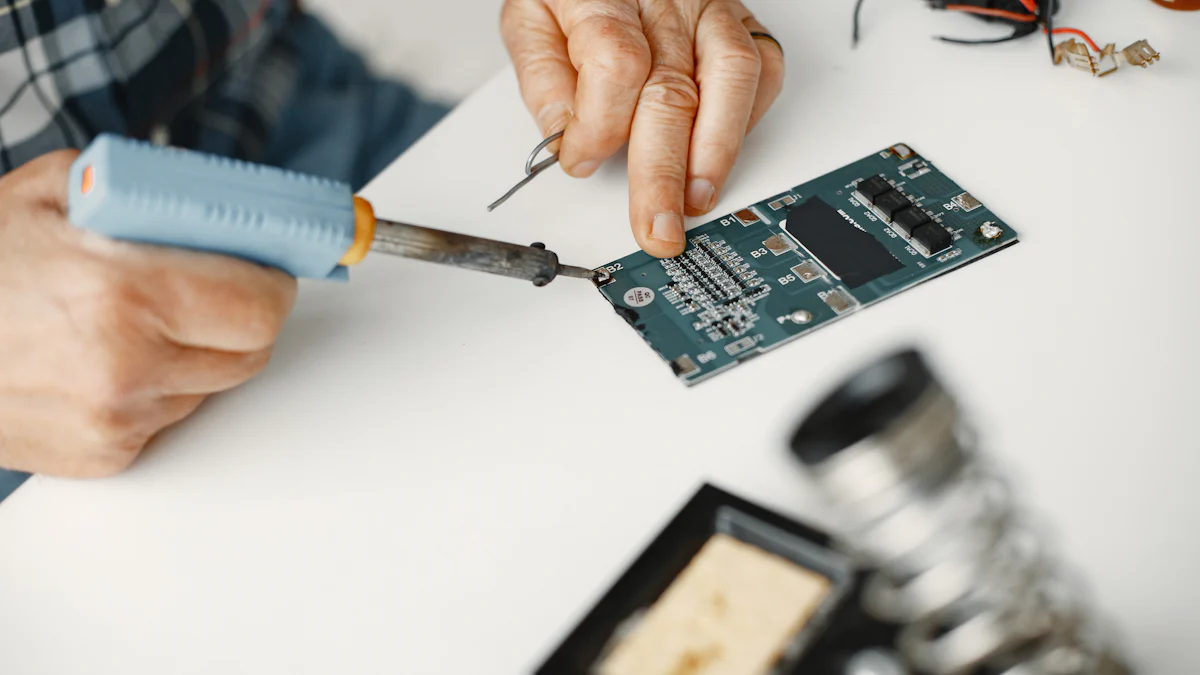
Choosing the right PCB manufacturer is critical for automotive applications. Automotive PCBs power essential systems like airbag controls, radar monitoring, and climate control. These components must endure extreme conditions, including high temperatures and vibrations, to ensure safety and performance. A reliable manufacturer guarantees that your PCBs meet strict quality standards through advanced testing methods like thermal shock and humidity tests. By selecting the best PCB manufacturer, you secure durable and efficient solutions that align with the demands of modern vehicles, from electric cars to advanced driver-assistance systems.
Key Takeaways
Understand your specific requirements for automotive PCBs to ensure they meet industry standards and performance needs.
Prioritize manufacturers with essential certifications like ISO/TS 16949 and IPC standards to guarantee quality and reliability.
Evaluate the manufacturer's experience in automotive PCB manufacturing by reviewing their portfolio and past projects.
Ensure the manufacturer has robust testing and quality assurance processes to verify the durability of PCBs under extreme conditions.
Look for customization options that align with your project needs, such as multilayer designs and HDI technology.
Assess the manufacturer's scalability to handle both prototyping and mass production efficiently.
Consider the importance of after-sales support and warranty policies to maintain the reliability of your automotive systems.
Understanding Your Requirements for Automotive PCB Manufacturing
When you embark on the journey of selecting a PCB assembly partner, understanding your specific requirements becomes essential. Defining these needs ensures that the PCBs meet the rigorous demands of automotive applications. This step lays the foundation for achieving high-quality and reliable results.
Defining Automotive-Grade Standards and Specifications
Automotive PCBs must adhere to strict standards to ensure safety and performance. You should familiarize yourself with industry-recognized certifications like IPC-A-600 and IPC-A-610, which define the quality and reliability benchmarks for PCBs. For automotive applications, compliance with the ISO/TS 16949 standard is critical. This certification focuses on heat resistance, durability, and alignment with ISO 9001 requirements.
"The ISO/TS 16949 standard ensures that automotive PCBs can withstand extreme conditions, such as high temperatures and vibrations, while maintaining their functionality."
By ensuring compliance with these standards, you can guarantee that your PCBs meet the stringent demands of modern vehicles. Always verify that the manufacturer you choose follows these specifications.
Identifying Certifications and Compliance Requirements
Certifications play a pivotal role in determining the credibility of PCB manufacturing companies. When evaluating potential partners, look for certifications like IATF 16949, which is specifically tailored for the automotive industry. This certification demonstrates the manufacturer’s commitment to quality and safety. Additionally, check for compliance with ISO 13485 and ISO 9001, as these standards reflect a focus on precision and reliability.
A reliable PCB manufacturer will also adhere to environmental and safety regulations. For instance, compliance with RoHS (Restriction of Hazardous Substances) ensures that the PCBs are free from harmful materials. By prioritizing certified manufacturers, you reduce risks and enhance the overall quality of your automotive PCBs.
Customization Needs for Automotive Applications
Every automotive project has unique requirements. You must define your requirements clearly to ensure the PCBs align with your application’s specific needs. Customization options, such as multilayer designs or HDI (High-Density Interconnect) technology, allow you to create PCBs tailored to advanced systems like ADAS (Advanced Driver Assistance Systems) or electric vehicle components.
Discuss your customization needs with the manufacturer. A reliable PCB manufacturer will offer flexible solutions, including material selection, layout design, and thermal management features. This adaptability ensures that the PCBs perform optimally under challenging conditions.
By addressing these aspects, you can choose a PCB manufacturer capable of delivering solutions that meet your expectations. Customization not only enhances functionality but also ensures compatibility with your automotive systems.
How to Choose a PCB Manufacturer with Expertise and Certifications
Selecting the right PCB manufacturer requires careful evaluation of their expertise and certifications. These factors directly impact the quality, reliability, and safety of your automotive PCBs. By focusing on these aspects, you can ensure that your chosen partner aligns with your project’s needs.
Importance of Industry Certifications (e.g., ISO/TS 16949, IPC Standards)
Certifications validate a manufacturer’s commitment to quality and adherence to industry standards. When you choose a PCB manufacturer, prioritize those with certifications like ISO/TS 16949. This certification ensures that the manufacturer follows stringent quality management practices tailored for the automotive industry. It also guarantees that the PCBs can withstand harsh conditions, such as extreme temperatures and vibrations.
*VictoryPCB, a professional automotive PCB manufacturer, highlights the importance of ISO/TS 16949 certification in delivering reliable circuit boards for automotive applications.*
Additionally, look for compliance with IPC standards, such as IPC-A-600 and IPC-A-610. These standards define the quality benchmarks for PCB manufacturing and assembly. Manufacturers adhering to these guidelines demonstrate their ability to produce high-quality PCBs that meet automotive-grade requirements. Certifications like RoHS compliance further ensure that the PCBs are free from hazardous substances, making them environmentally friendly.
Evaluating Experience in Automotive PCB Manufacturing
Experience plays a crucial role in determining a manufacturer’s capability to handle complex automotive projects. Manufacturers with extensive experience in automotive PCB manufacturing understand the unique challenges of this industry. They possess the technical knowledge to design and produce PCBs that meet the demands of advanced systems like ADAS or electric vehicles.
When evaluating a manufacturer, review their portfolio of past projects. Look for case studies or examples of their work with automotive brands. A manufacturer with a proven track record in delivering high-quality PCBs for automotive applications can provide you with confidence in their expertise. Their familiarity with advanced technologies, such as HDI and multilayer PCBs, ensures that they can meet your specific requirements.
Ensuring Adherence to Quality and Safety Standards
Quality and safety are non-negotiable in automotive PCB manufacturing. A reliable manufacturer implements rigorous quality control processes to ensure that every PCB meets the required standards. Testing methods, such as thermal shock and humidity tests, verify the durability and performance of the PCBs under extreme conditions.
Manufacturers who follow design for manufacturing and assembly (DFMA) principles can optimize the production process. This approach minimizes errors and ensures that the PCBs are both functional and cost-effective. Additionally, manufacturers offering rapid prototyping services can help you test and refine your designs before mass production.
By choosing a manufacturer committed to quality and safety, you reduce the risk of failures and enhance the reliability of your automotive systems. Always verify that the manufacturer adheres to industry standards and employs advanced testing methods to deliver superior results.
Assessing the Manufacturing Capabilities of a Reliable PCB Manufacturer
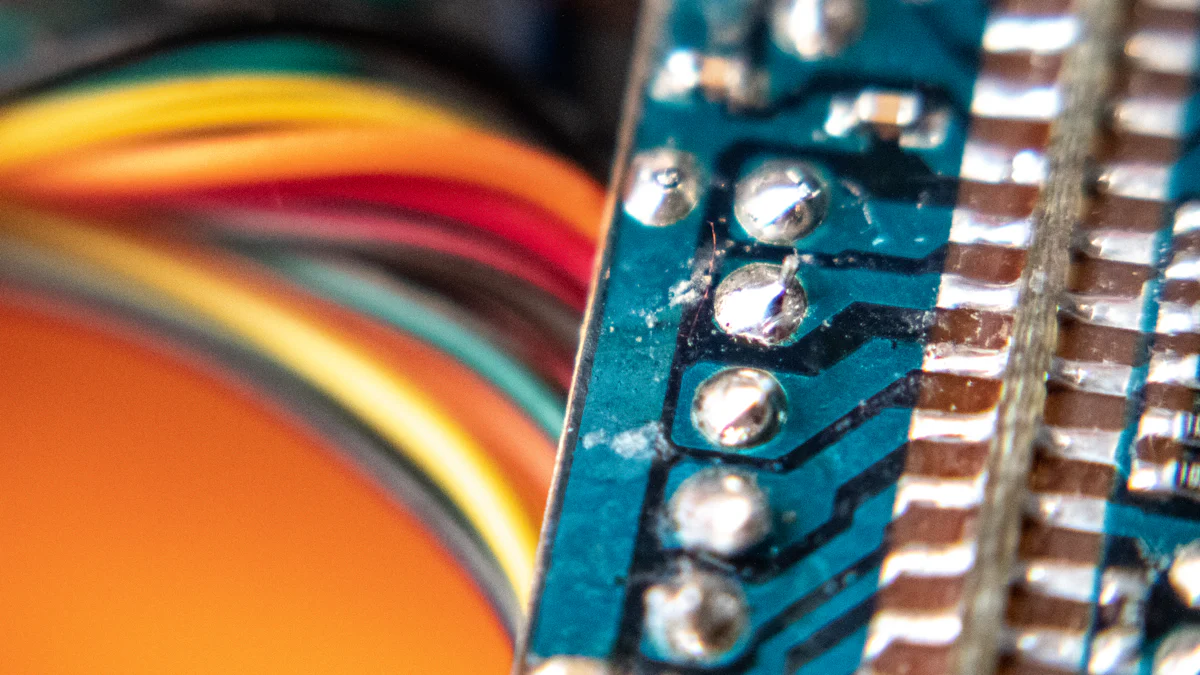
When selecting a PCB manufacturer, you must evaluate their manufacturing capabilities. Advanced processes, quality assurance, and scalability play a vital role in ensuring the success of your automotive projects. Understanding these aspects helps you make an informed decision.
Advanced Manufacturing Processes (e.g., HDI, multilayer PCBs)
Advanced manufacturing processes define the quality and functionality of PCBs. Manufacturers using cutting-edge techniques like High-Density Interconnect (HDI) and multilayer PCBs can meet the demands of modern automotive systems. HDI PCBs integrate fine lines, microvias, and dense component mounting, enabling compact designs without compromising performance. These features are essential for applications like advanced driver-assistance systems (ADAS) and electric vehicles.
Multilayer PCBs offer additional benefits by incorporating multiple layers of circuitry. This design supports intricate layouts and allows more components to fit into compact spaces. For example, lamination techniques used in multilayer PCBs enhance durability and improve thermal management. These features ensure that the PCBs perform reliably under extreme conditions.
Manufacturers adopting innovations like laser direct imaging and thinner dielectrics push the boundaries of PCB manufacturing. These advancements enable finer densities and improved modeling, ensuring that your automotive PCBs meet the highest standards of precision and efficiency.
Testing and Quality Assurance Capabilities
Testing and quality assurance ensure that PCBs meet the rigorous demands of automotive applications. A reliable manufacturer conducts comprehensive tests to verify the durability and functionality of their products. Thermal shock tests, humidity tests, and vibration tests simulate real-world conditions, ensuring that the PCBs can withstand harsh environments.
Quality assurance processes also include inspections at every stage of production. Manufacturers following strict protocols identify and address defects early, reducing the risk of failures. Advanced testing methods, such as automated optical inspection (AOI) and X-ray inspection, enhance accuracy and reliability.
By choosing a manufacturer with robust quality assurance capabilities, you ensure that your PCBs meet industry standards. This commitment to quality minimizes risks and enhances the performance of your automotive systems.
Scalability for Prototyping and Mass Production
Scalability is crucial when selecting a PCB manufacturing partner. A manufacturer with flexible production capacity can handle both prototyping and mass production efficiently. Rapid prototyping services allow you to test and refine your designs before committing to large-scale production. This approach saves time and reduces costs by identifying potential issues early.
For mass production, a reliable manufacturer ensures consistent quality across all units. Automation and robotics play a significant role in achieving this consistency. These technologies improve production speed and accuracy while minimizing human error.
Manufacturers with scalable operations can adapt to your project’s changing needs. Whether you require a small batch for testing or a large volume for commercial use, they deliver solutions that align with your requirements.
Evaluating Customer Reviews and Reputation of the Best PCB Manufacturer
When selecting a PCB assembly partner, understanding their reputation is essential. Customer reviews and testimonials provide valuable insights into the manufacturer’s reliability, service quality, and ability to meet project requirements. By analyzing these factors, you can make an informed decision and ensure your automotive PCBs meet the highest standards.
Analyzing Client Feedback and Testimonials
Client feedback serves as a window into the experiences of others who have worked with the manufacturer. Positive reviews often highlight the manufacturer’s ability to deliver high-quality PCBs on time and provide comprehensive support throughout the production process. Look for comments that mention consistent communication, adherence to deadlines, and responsiveness to customer needs.
“The best PCB manufacturers ensure complete customer satisfaction by addressing specific project requirements and maintaining transparency throughout the process.”
You should also pay attention to negative reviews. These can reveal potential issues, such as delays, quality concerns, or poor customer service. By weighing both positive and negative feedback, you gain a balanced perspective on the manufacturer’s performance. Always prioritize manufacturers with a strong track record of meeting customer expectations.
Reviewing Case Studies and Past Projects
Case studies and past projects offer concrete examples of a manufacturer’s capabilities. These documents showcase how the manufacturer has successfully handled similar projects, providing evidence of their expertise in PCB manufacturing. For automotive applications, focus on case studies that demonstrate experience with advanced systems like ADAS or electric vehicles.
Manufacturers with a diverse portfolio often excel at providing customized solutions. For instance, American PCB manufacturers are known for tailoring their services to meet specific project needs. Reviewing their past work helps you assess whether they can handle the complexity and scale of your project. This step ensures you choose a partner capable of delivering reliable and efficient PCBs.
Checking for Long-Term Partnerships with Automotive Brands
Long-term partnerships with reputable automotive brands indicate a manufacturer’s reliability and consistency. These relationships often result from years of delivering high-quality PCBs and maintaining strong customer satisfaction. Manufacturers who collaborate with well-known brands demonstrate their ability to meet industry standards and adapt to evolving requirements.
When evaluating potential partners, ask about their existing relationships with automotive companies. A manufacturer with established partnerships likely possesses the expertise and resources needed for your project. Additionally, long-term collaborations reflect the manufacturer’s commitment to building trust and delivering value over time.
By considering these factors, you can identify the best PCB manufacturer for your automotive needs. Evaluating customer reviews, case studies, and partnerships ensures you select a partner who aligns with your expectations and project goals.
Balancing Cost, Turnaround Time, and Post-Sales Support in PCB Manufacturing
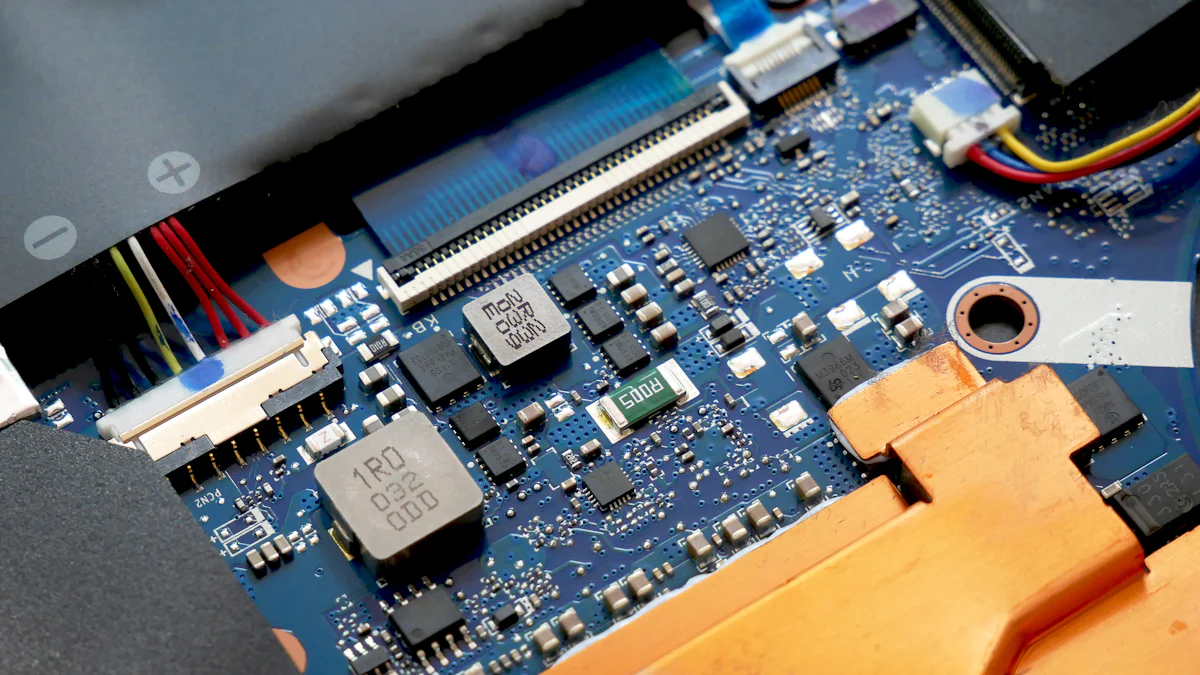
When selecting a PCB manufacturing partner, balancing cost, turnaround time, and post-sales support is essential. These factors directly impact the success of your project and the reliability of your automotive systems. Understanding how to evaluate these aspects ensures you make an informed decision.
Balancing Cost-Effectiveness with Quality Standards
Cost plays a significant role in choosing a PCB manufacturer, but prioritizing low prices over quality can lead to long-term issues. You should focus on achieving cost-effectiveness without compromising quality standards. Reliable PCB manufacturers offer competitive pricing while maintaining strict adherence to industry standards. This balance ensures that your PCBs meet the demands of automotive applications.
When comparing costs, consider the value-added services provided by the manufacturer. Services like custom PCB assembly capabilities or advanced features and purchasing options can enhance the functionality of your PCBs. Manufacturers offering these services often provide better long-term value, even if their initial pricing seems higher.
For projects requiring a custom PCB board or high-frequency PCBs, discuss your specific needs with the manufacturer. Customization may increase costs, but it ensures that the final product aligns perfectly with your requirements. Always evaluate the overall value rather than focusing solely on the price tag.
Evaluating Lead Times and Delivery Reliability
Timely delivery is critical in automotive PCB manufacturing. Delays can disrupt your production schedule and lead to increased costs. You should assess the manufacturer’s ability to meet deadlines consistently. Manufacturers specializing in quick-turn PCB manufacturing often excel in delivering products within tight timeframes.
Ask about the lead times for both prototyping and mass production. A manufacturer offering rapid prototyping services can help you test and refine your designs quickly. This capability reduces the time required to move from concept to production. For large-scale orders, ensure the manufacturer has the capacity to handle high volumes without compromising quality.
Delivery reliability depends on the manufacturer’s processes and logistics. Reliable PCB manufacturers implement streamlined workflows to ensure consistent output. They also maintain clear communication throughout the production process, keeping you informed about progress and potential delays. By choosing a manufacturer with a proven track record of timely delivery, you minimize risks and maintain project timelines.
Importance of After-Sales Support and Warranty Policies
After-sales support is a crucial factor in evaluating PCB manufacturing companies. Even the most meticulously designed PCBs may encounter issues during use. A manufacturer offering robust post-sales support helps you address these problems efficiently. This support includes technical assistance, troubleshooting, and replacement services.
Warranty policies reflect the manufacturer’s confidence in their products. A comprehensive warranty ensures that you receive high-quality PCBs and protection against defects. When discussing warranty terms, clarify the coverage period and conditions. Manufacturers providing extended warranties often prioritize quality and customer satisfaction.
Post-sales support also includes guidance on maintaining and upgrading your PCBs. Manufacturers with expertise in custom PCB design can offer valuable insights into optimizing performance. This collaboration ensures that your PCBs remain reliable and efficient throughout their lifecycle.
By prioritizing after-sales support and warranty policies, you build a long-term relationship with your PCB assembly partner. This partnership enhances the reliability of your automotive systems and ensures continued success in future projects.
Choosing the best PCB manufacturer for automotive applications requires careful consideration of several factors. You must evaluate their expertise, certifications, and manufacturing capabilities to ensure they align with your specific requirements. A reliable manufacturer not only delivers high-quality PCBs but also supports your project with efficient processes and robust after-sales services. Prioritize quality, reliability, and long-term value over cost alone. By doing so, you secure a PCB assembly partner who enhances the performance and safety of your automotive systems while maintaining cost-effectiveness and timely delivery.
FAQ
What is a contract manufacturer in PCB production?
A contract manufacturer specializes in producing PCBs based on your design specifications. They handle the entire manufacturing process, including material sourcing, assembly, and quality control. By partnering with a contract manufacturer, you can focus on designing and testing while they ensure your PCBs meet high-end industrial quality standards.
How do I ensure my automotive PCBs meet industry standards?
You should verify that the manufacturer complies with certifications like ISO/TS 16949 and IPC standards. These certifications guarantee adherence to high-end industrial quality standards. Additionally, ask about their testing processes, such as thermal shock and vibration tests, to confirm the PCBs can withstand harsh automotive conditions.
Why are certifications important when choosing a PCB manufacturer?
Certifications demonstrate a manufacturer’s commitment to quality and reliability. For automotive applications, certifications like IATF 16949 and RoHS compliance ensure the PCBs meet safety and environmental standards. Choosing a certified contract manufacturer reduces risks and ensures consistent performance.
What should I look for in a contract manufacturer’s experience?
Experience in automotive PCB manufacturing is crucial. Look for manufacturers with a proven track record of handling complex projects, such as those involving ADAS or electric vehicles. Reviewing case studies and past projects can help you assess their expertise and ability to meet your specific needs.
How can I evaluate the quality of a PCB manufacturer’s products?
You can evaluate quality by reviewing their testing and inspection processes. Reliable manufacturers use advanced techniques like automated optical inspection (AOI) and X-ray inspection. These methods identify defects early and ensure the final product meets your requirements.
What customization options should I consider for automotive PCBs?
Customization options like multilayer designs and HDI technology are essential for advanced automotive systems. Discuss your specific needs with the manufacturer, including material selection and thermal management features. A flexible contract manufacturer will tailor solutions to match your project’s demands.
How do I balance cost and quality in PCB manufacturing?
Focus on achieving cost-effectiveness without compromising quality. Compare pricing models among manufacturers and consider value-added services like rapid prototyping. A reliable contract manufacturer will offer competitive pricing while maintaining high-end industrial quality standards.
Why is scalability important in PCB manufacturing?
Scalability ensures the manufacturer can handle both small prototype runs and large-scale production. This flexibility allows you to test designs before committing to mass production. A scalable contract manufacturer adapts to your project’s changing needs, ensuring consistent quality at every stage.
How can I assess a manufacturer’s reputation?
You can assess reputation by analyzing customer reviews, testimonials, and case studies. Look for feedback on their reliability, communication, and ability to meet deadlines. Manufacturers with long-term partnerships with automotive brands often have a strong reputation for delivering quality products.
What role does after-sales support play in PCB manufacturing?
After-sales support ensures you receive assistance with technical issues, troubleshooting, and replacements. A contract manufacturer offering robust post-sales support helps maintain the reliability of your PCBs. Comprehensive warranty policies also reflect their confidence in delivering high-quality products.
See Also
Selecting The Ideal Thermal Camera Drone For Industry Use
Boosting Manufacturing Efficiency With Custom Punch Components
Improving Automotive Quality Assurance Through Thermal Imaging

iSun Digitech Limited
Contact Us: Coco Huang
E-mail: sales@iasun.cn
WhatsApp/Wechat: +86 13510421923